Gear
Canon EOS R8 Mark II: Better where the R8 was weakest – but not the obvious bargain
Canon has given the EOS R8 in-body image stabilisation, improved ergonomics and a larger buffer. But resolution, top speed and key video formats remain largely the same, while the price makes the upgrade harder to justify.
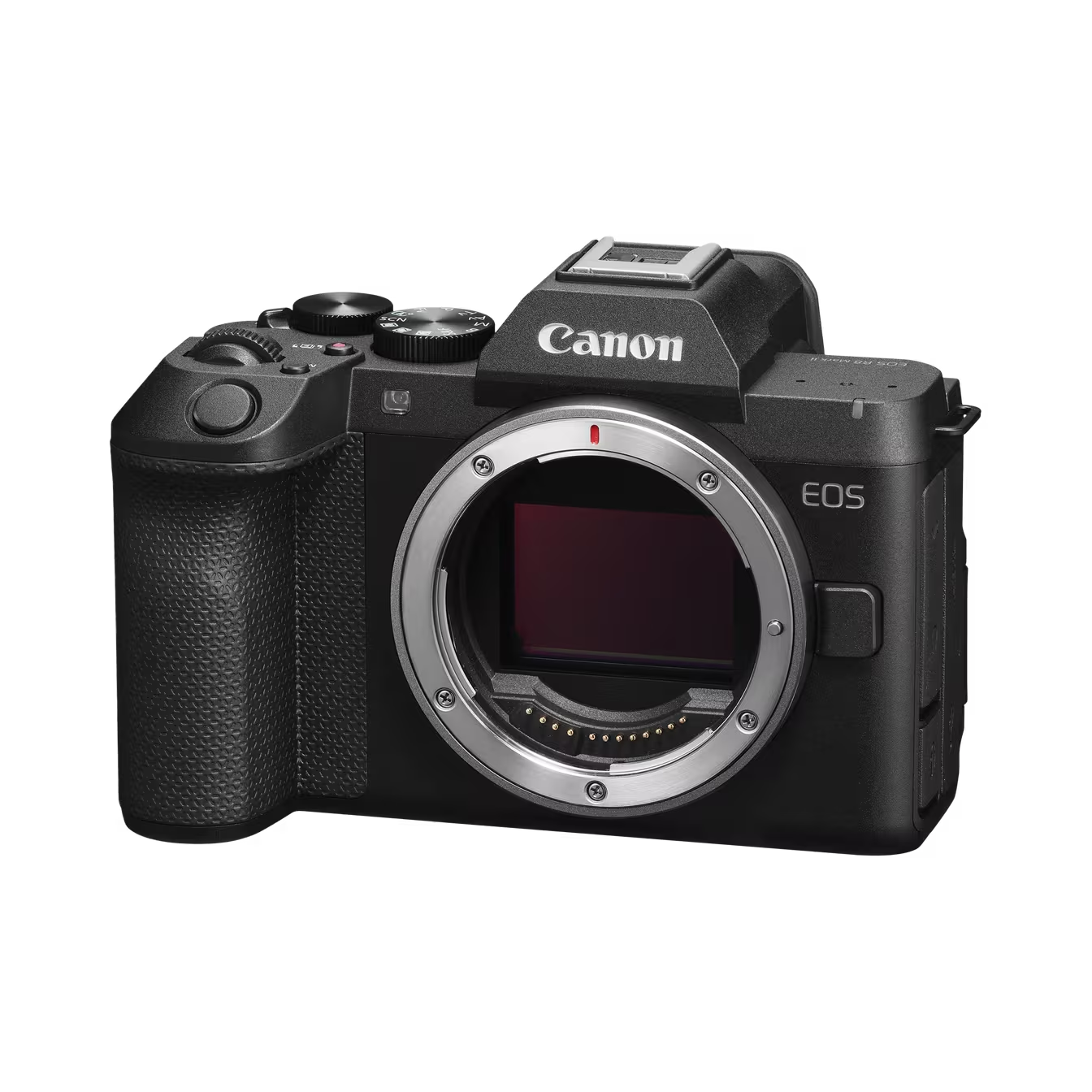
The Canon EOS R8 Mark II is a clear improvement over the original in several crucial areas, above all with five-axis in-body image stabilisation (IBIS), a multi-controller and a larger body. At the same time, this is not the comprehensive generational shift many R8 owners may have hoped for: the camera retains a 24.2-megapixel full-frame sensor, 40 frames per second with the electronic shutter, and 4K 60p video.
Canon UK states that delivery will begin on 20 October 2026. The new body is priced at £1,729.99 in the UK, while Canon USA lists a suggested retail price of $1,899.
What’s new in the R8 Mark II
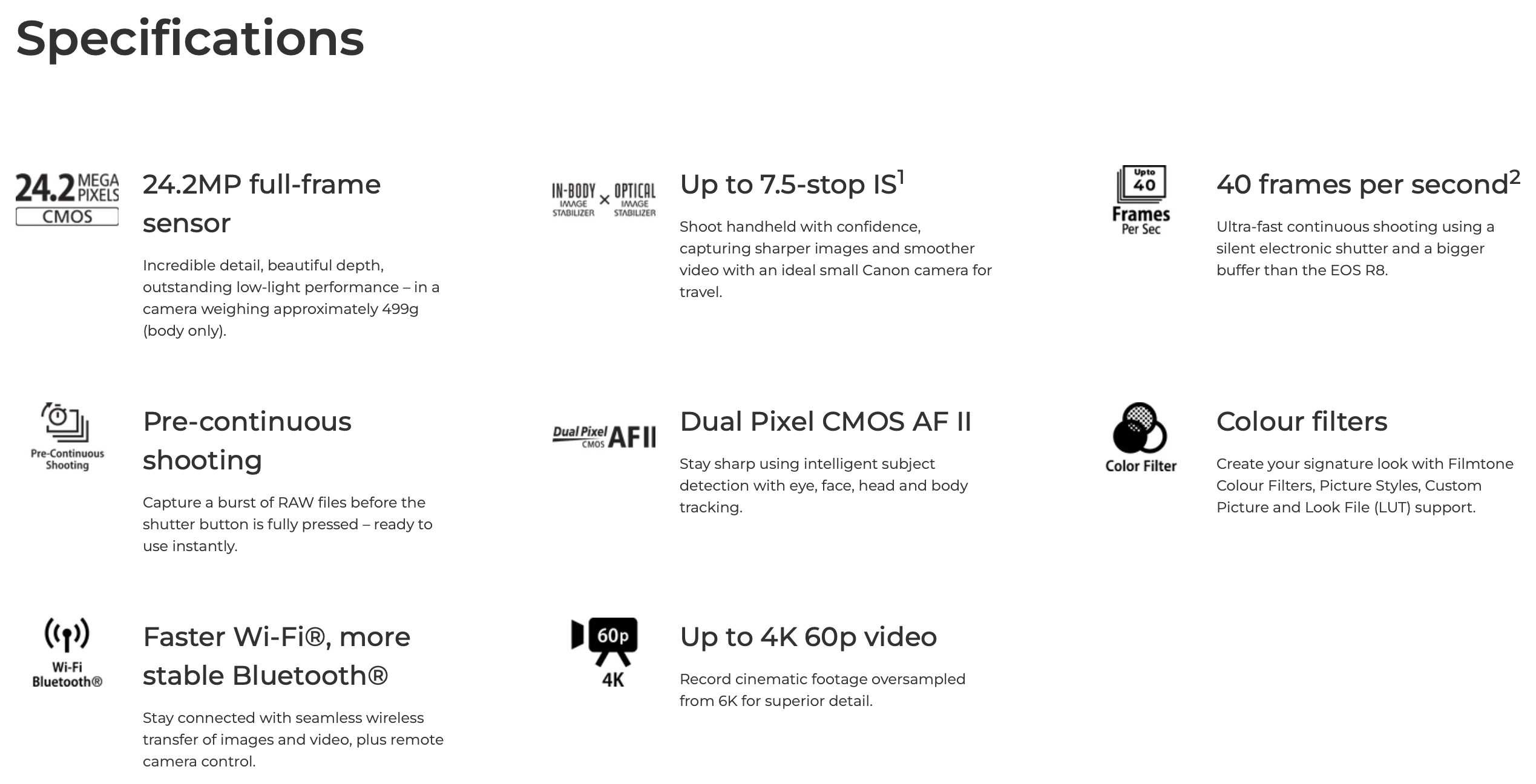
The most important addition is IBIS. Canon claims up to 7.5 stops of stabilisation, depending on the lens. This makes handheld shooting in low light and steadier handheld video considerably more practical than on the R8, which has only digital in-camera stabilisation.
The body also gains a multi-controller, a revised control layout and more room for the hand. Weight is stated as 546 grams with battery and memory card, compared with 461 grams for the R8 under the same conditions. It remains a compact full-frame camera, but the lightweight original has become 85 grams heavier.
Autofocus still uses Dual Pixel CMOS AF II, with detection and tracking of people, animals and vehicles. New is Register People Priority, which allows photographers to save faces that the camera should prioritise in a group or crowd.
For video, the Mark II offers 6K-oversampled 4K 60p, Full HD at up to 180p, Canon Log 3, four-channel audio and Cinema View in 2.35:1. Wi-Fi 6 and Bluetooth 5.3 replace the R8’s 2.4GHz Wi-Fi and Bluetooth 4.2.
Much of the core remains the same
This is where the launch becomes less compelling for existing R8 owners. Both models have a 24.2-megapixel full-frame sensor, a maximum ISO of 102,400, 40fps electronic continuous shooting, 4K 60p and Full HD 180p. Both also use the compact LP-E17 battery and have a single SD card slot.
The Mark II does, however, get a larger buffer: Canon claims up to 73 RAW files in a burst, and says RAW capacity is 30 per cent higher than on the R8. Pre-continuous shooting also records images before the shutter button is fully pressed. That is a genuine advantage for action, but it does not change the fact that basic image resolution and top speed are unchanged.
Battery life has not improved either. The Mark II is rated for around 220 shots using the viewfinder or 340 using the screen. The R8 is rated for 220 with the viewfinder and 370 with the screen.
Price must be assessed by market
The claim of a substantially higher launch price is accurate in the US: the original EOS R8 cost $1,499 at launch in 2023, while the R8 Mark II starts at $1,899 – an increase of $400, or around 27 per cent. In the UK, the difference is much smaller compared with the original UK launch price of £1,699.99: the Mark II is £30 more expensive on pre-order.
For Norwegian buyers, there is as yet no verified Norwegian recommended retail price in the sources here. The original EOS R8 launched at NOK 21,199 for the body in Norway in spring 2023. A Norwegian price assessment should therefore wait until Canon Norway or Norwegian retailers have published pricing and a delivery date.
Verdict: Buy for IBIS and handling – not for new image quality
For EOS R8 owners, the Mark II is primarily of interest if the lack of IBIS, the small grip or the limited buffer have genuinely stood in the way of their photography and video work. For travel, handheld work in poor light and more unpredictable action, the improvements are meaningful. If the R8 already meets your needs, the difference in sensor, resolution, top speed and video formats is too small for this to appear to be an automatic upgrade.
As a first camera, the R8 Mark II is easier to recommend than as an upgrade, but it is misleading to call it a purely entry-level camera. Canon positions it for enthusiast photographers, and both the full-frame sensor and the price place it above the beginner segment. Nevertheless, its automatic shooting modes, creative assistance features and modern autofocus lower the barrier for new photographers.
The conclusion has two parts: If you own an R8, wait unless IBIS and better ergonomics are specific shortcomings in your work. If you are buying your first system camera and have room in the budget for RF lenses, the R8 Mark II is a capable, compact full-frame option – but no longer the price-aggressive entry point to full frame that the R8 was in 2023.